
Electric vehicles are becoming more common across in canada. Because of this, having a safe and reliable charger at home or work is very important. A professional setup ensures safety, efficiency, and long-term performance. Newton Electrical provides expert installation services for homeowners, commercial properties, and EV fleets.
Understanding Car Charger Installation
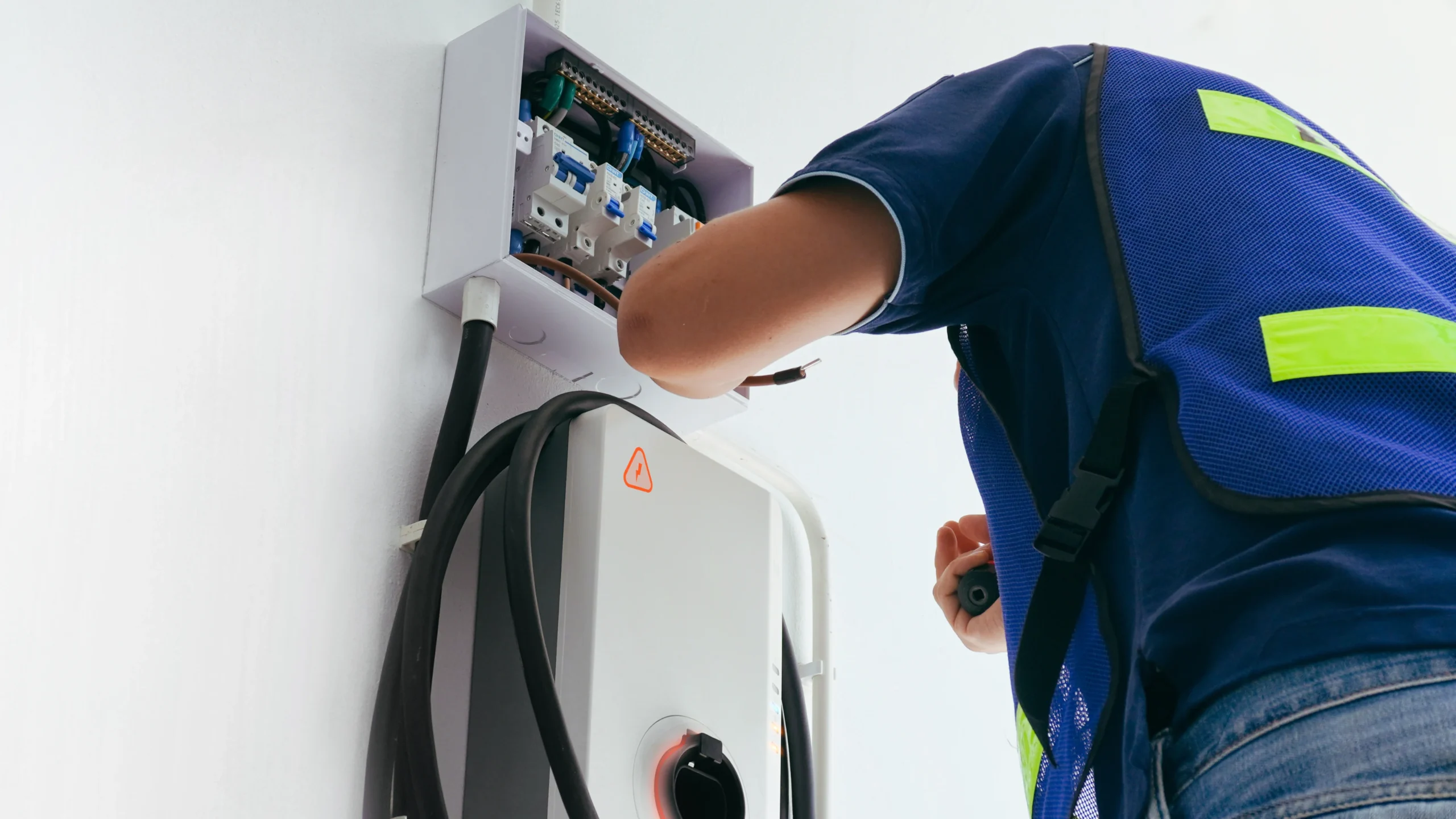
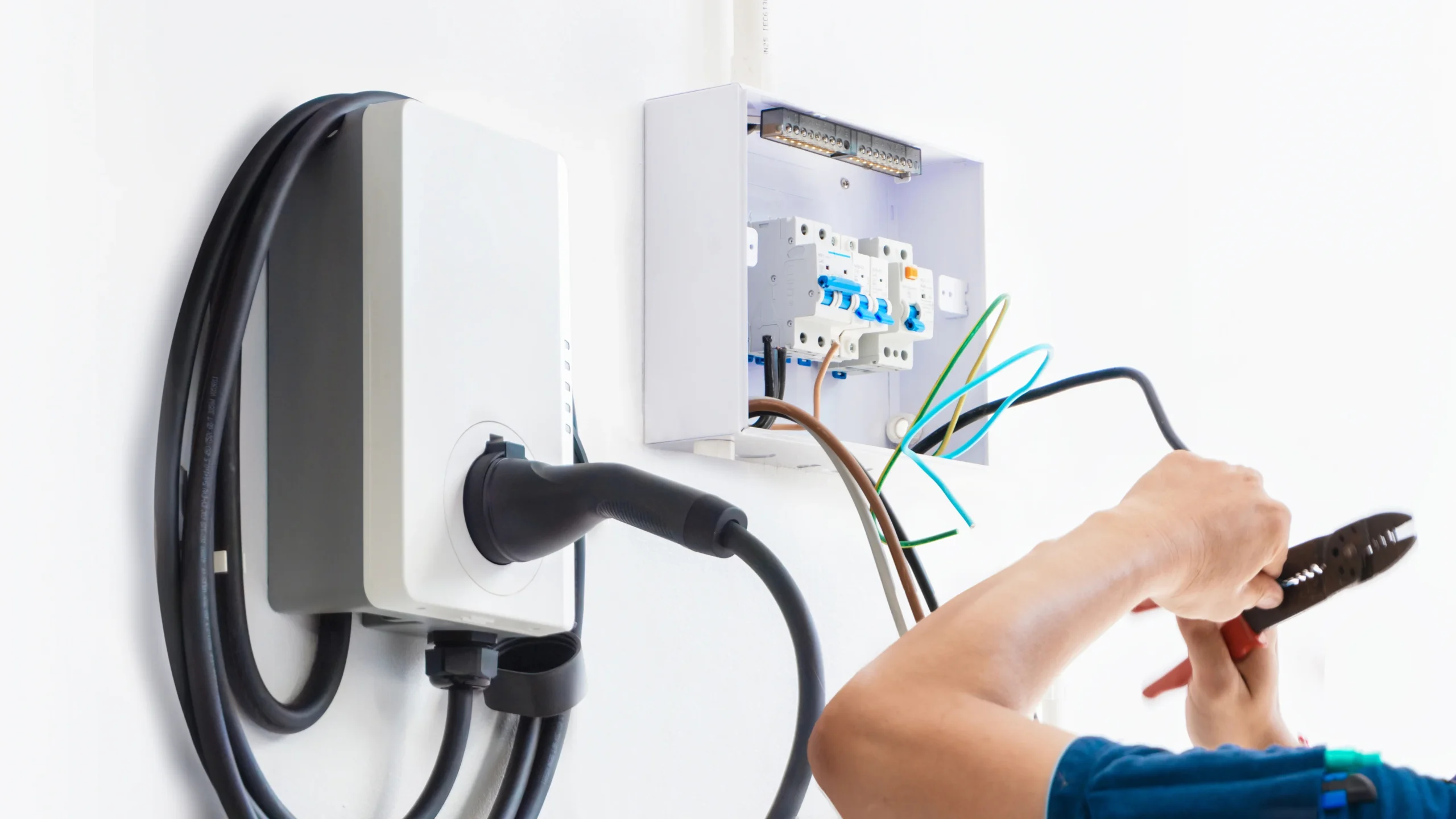
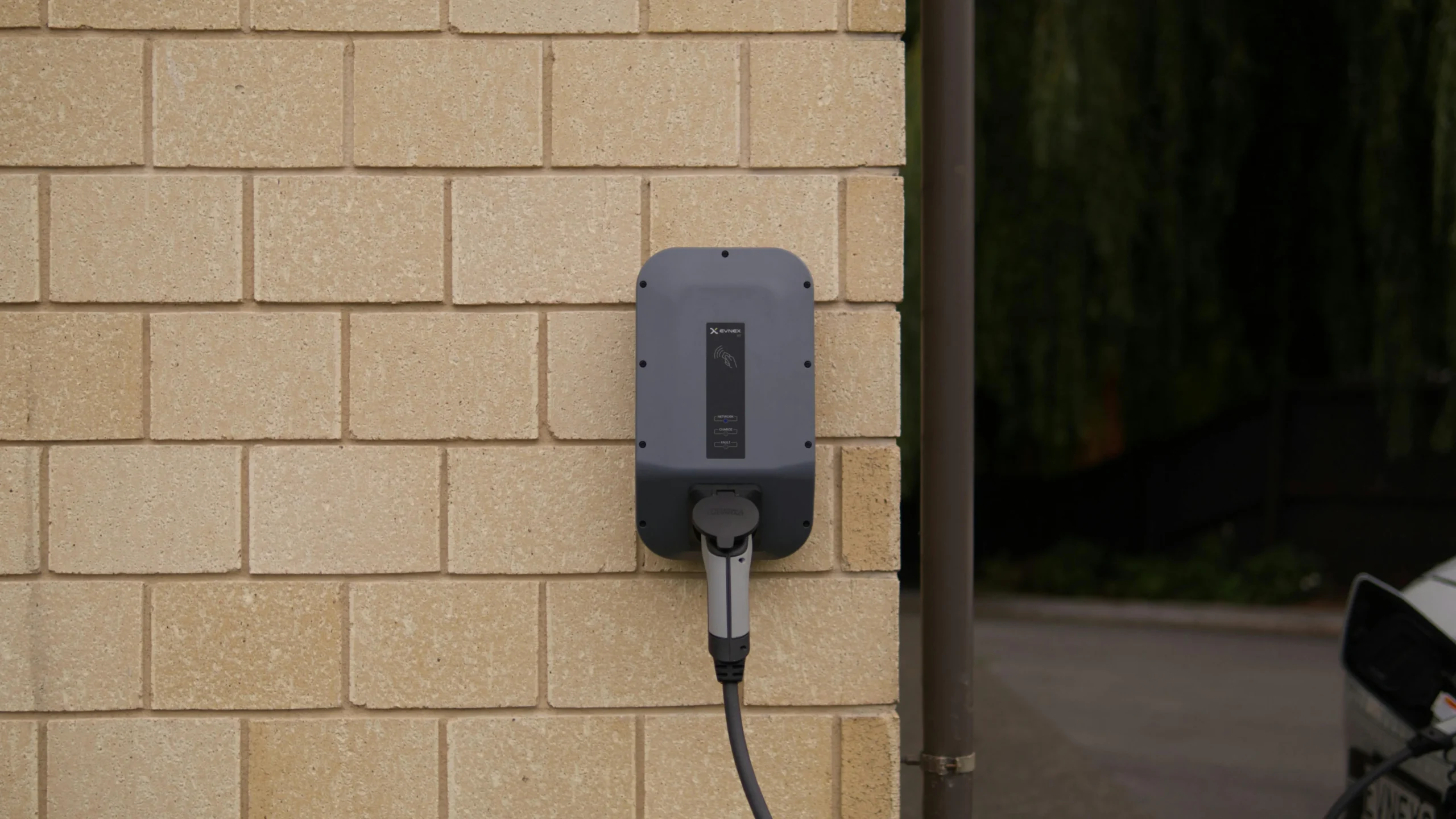
Getting an electric car charger installed means putting in a special plug for your car to charge. A professional person comes to your place. First, they check if your current wiring is okay, including the AC wiring and connections. If needed, they will add a new special line for the charger. Then, they put the charger on the wall in a spot where your car can park easily. Finally, they make sure everything is safe and done properly so there is no danger.
Key Entities: EV Charger, Electrical Panel, Licensed Electrician, EVSE Standards, Smart Chargers
Why Professional Installation is Essential
- Safety First: Prevents risks like electrical fires, overloads, and short circuits.
- Efficiency: Optimizes charging speed and reduces energy loss.
- Compliance: Ensures adherence to NEC standards and local regulations.
- Convenience: Wisely placed chargers are easy to use.
Getting an expert to do the job means you can trust it will work, you don’t have to worry, and it’s ready for the future.
Who Benefits from Car Charger Installation
- Homeowners embracing EV mobility
- Apartment complexes seeking resident amenities
- Businesses managing employee or fleet charging
- Ride-sharing and commercial EV services
When to Consider Installing an EV Charger
- After purchasing an EV or plug-in hybrid
- When moving to a property without adequate charging
- For upgrading older Level 1 chargers to more efficient solutions
- When planning long-term EV adoption strategies
6. Charger Types and Features
| Type | Features | Ideal Use | Notes |
| Level 1 | Standard outlet, portable | Occasional home charging | Minimal installation, compatible with standard sockets |
| Level 2 | Faster charging, 240V | Daily home/work charging | Requires panel assessment, often mounted on wall |
| DC Fast Charger | High-voltage, rapid charge | Commercial, high-traffic locations | Specialized infrastructure and utility coordination needed |
Each type has unique attributes that influence placement, wiring, and user experience.
Step-by-Step Installation Process
- Site Evaluation: Assess panel capacity, circuit compatibility, and optimal charger location.
- Permits & Compliance: Ensure alignment with NEC and local regulations.
- Circuit Preparation: Upgrade electrical panels or install dedicated circuits if needed.
- Charger Mounting: Wall or pedestal installation per manufacturer instructions.
- Electrical Connection: Wire the charger, verify amperage, and ensure safety protocols.
- Testing & Optimization: Test full operation, load capacity, and smart charger integration.
- User Guidance: Provide operational walkthrough and maintenance advice.
Checklist: Electrical capacity, mounting location, cable management, surge protection, compliance verification.
Tools, Techniques & Best Practices
- Multimeter and voltage tester for precise diagnostics
- Conduit, wiring, and secure fasteners for mounting
- Torque wrench for proper connections
- Smart integration for app-based monitoring
Good tips: Read the charger book, keep wires neat, and put it somewhere easy and safe to use every day.
Expert Decision Framework for Installation
When choosing an electric car charger, several key factors should be considered. Usage frequency is important, as daily commuters may need a more reliable setup compared to occasional users. The type of charger also matters, with Level 2 chargers being preferred for home or workplace use, while DC fast chargers are better suited for commercial needs. Electrical capacity should be checked to ensure the panel can handle the load and allow for future expansion. In addition, location and convenience play a big role, so the charger should be placed near parking areas for easy access. For larger projects, a Burnaby commercial renovation contractor can help ensure proper installation and planning. Overall, decision-making should balance efficiency, safety, and long-term usability.
Safety Considerations and Common Pitfalls
- Avoid DIY installations without certified electricians
- Ensure circuits are not overloaded
- Prevent exposure to moisture or physical hazards
- Double-check code compliance and grounding
Local Considerations & GEO-Aware Guidance
- Local building codes, permits, and utility regulations
- Neighborhood factors: multi-unit dwellings, suburban vs. urban grids
- Keywords for local discovery: “car charger installation [city],” “EV charger near me”
- Coordination with utility providers for high-voltage installations
Alternatives & Future-Proof Options
- Smart chargers with load balancing and scheduling
- Solar-powered EVSE integration
- Portable chargers for flexible or temporary use
Entity Glossary
- EVSE (Electric Vehicle Supply Equipment): Device supplying power to EVs.
- NEC (National Electrical Code): Electrical safety standard.
- Level 1 Charger: Standard household outlet charging.
- Level 2 Charger: Faster, dedicated EV charger.
- DC Fast Charger: High-speed commercial charger.
- Licensed Electrician: Certified professional ensuring code compliance.
FAQS
What is car charger installation?
Getting a car charger means a worker comes to your house or office. They check the wires, make sure the power works fine, and keep everything safe.
How long does it take to install a car charger?
Installing a charger usually takes 2 to 6 hours. The time depends on the type of charger, your electrical setup, and how tricky the location is.
Can I install an EV charger myself?
Installing a car charger yourself is not a good idea because it can be unsafe. A worker makes sure it’s safe and works.
Where should my EV charger be installed?
Put the charger where your car can reach it easily. Keep it dry and away from rain and sun. Make sure wires are neat and everything is safe.